Colour & balayage
Plant-based colour
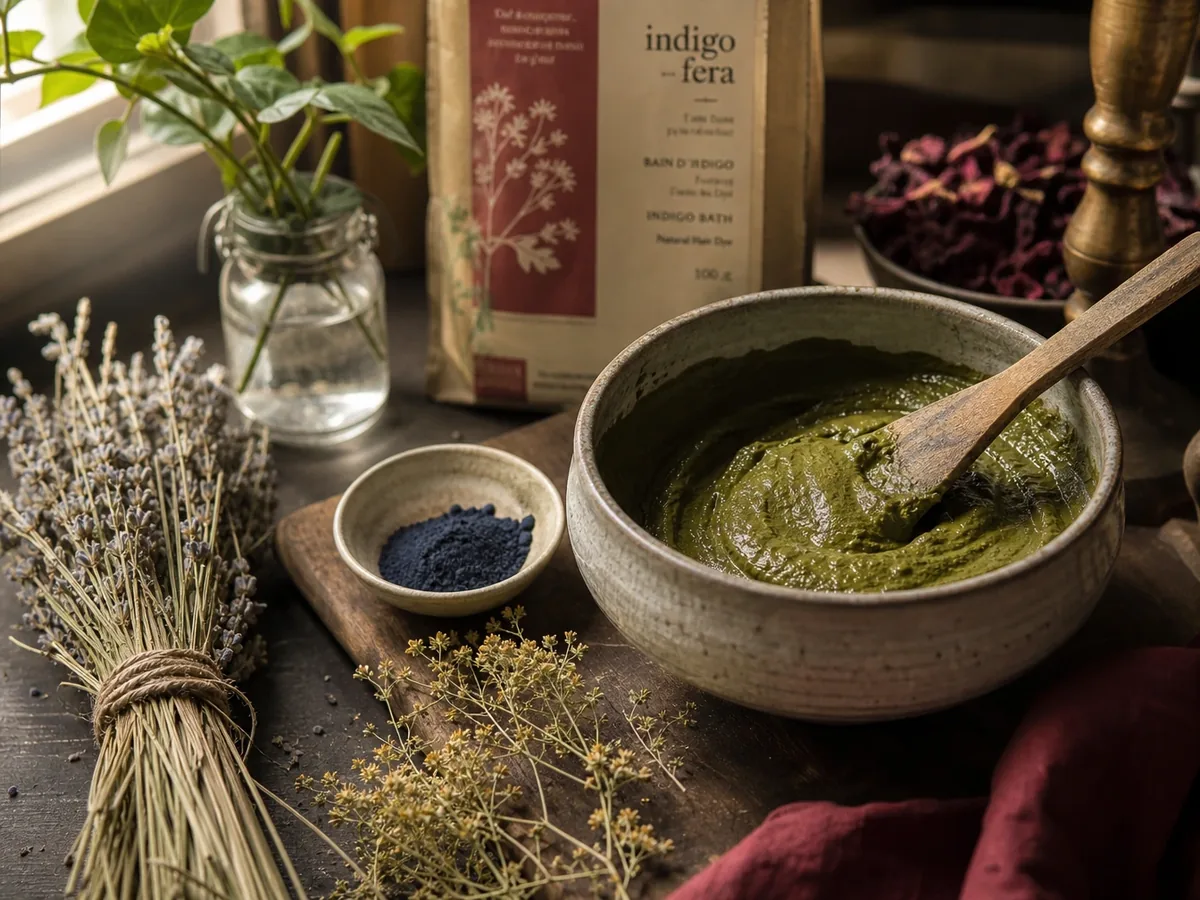
Plant-based colour does not penetrate the fibre: it coats it. Plant pigments settle around the hair shaft, which gains thickness, shine and body with every application.
It covers grey hair through natural-looking tones — honey, chestnut, mahogany, deep brown — rather than a uniform block. The result lives with the light.
A strand test and a preliminary consultation are systematic: plant colour has its rules (no layering over certain recent chemical colours), and we follow them scrupulously.
What it changes
- Hair coated and thicker to the touch from the first application
- Grey coverage through natural tones
- No ammonia, no oxidant
- Complimentary systematic strand test
You may also like
Frequently asked questions — Colour & balayage
What is the difference between balayage and highlights?
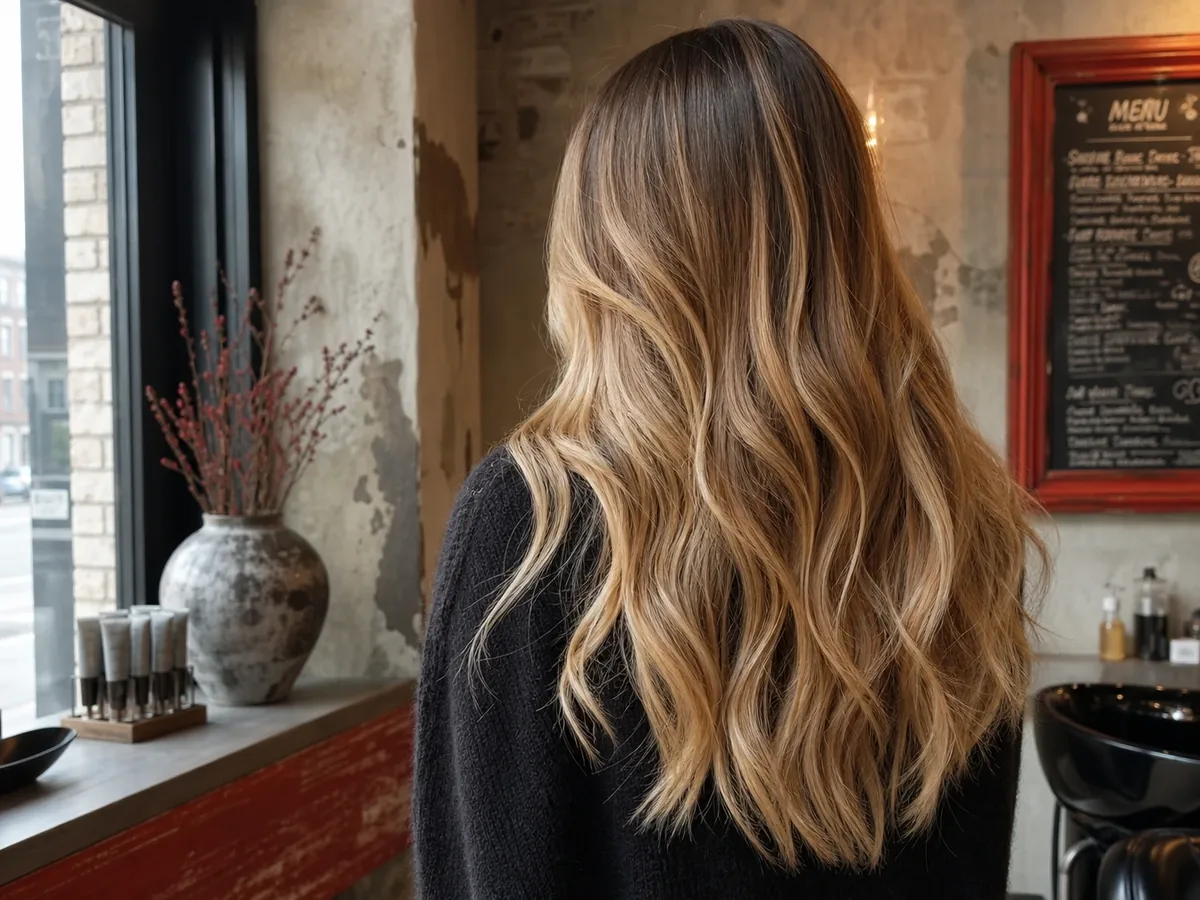
Traditional highlights are done in foils, root to tip, with a regular result and visible regrowth. Balayage is painted freehand, blended: light concentrates on lengths and around the face, and regrowth stays invisible for months.
Does plant-based colour cover grey hair?
Yes, but differently from oxidative colour: greys are blended into natural tones rather than covered in a flat block. From 50% grey, two closely spaced applications may be needed at the start — we tell you frankly at the diagnosis.
Is an allergy test necessary before colouring?
For any first oxidative colour with us, we require a patch test 48 hours before the appointment: five minutes at the salon, no booking needed. It is a constraint, but reactions to colourants do exist and we take no risks with your scalp.